
About
"Balasen Equipment Co., Ltd. is located in Xuzhou, Jiangsu Province. We have been dedicated to metal processing, including sand castings, shell castings and machining.Our products find applications in industries such as construction, agricultural machinery, Mining machinery, automotive, and valves. We are constantly striving to expand our business and enhance our capabilities. Although we are currently in a stage of growth and not as large as some industry leaders, we are committed to improving and making a mark in the market.Our vision is to contribute to a better life for humanity through our efforts. We aim to become a reliable global supplier of high-quality components, steadily working towards this goal with determination and innovation. We are focused on continuous improvement in our production processes, quality control, and customer service to achieve sustainable development and fulfill our aspirations." https://www.balasen.com/
Home
At Balasen, we specialize in advanced metal process casting, including sand casting and lost foam sand casting, delivering high-quality solutions. Our casting techniques combine precision and innovation to produce durable metal components that meet the rigorous demands of various industries. Utilizing state-of-the-art technology and skilled craftsmanship, we ensure optimal material properties and dimensional accuracy.
Contact
 Shell Casting
Shell casting factory - Balasen
Balasen offers custom ceramic shell bronze casting solutions for metal components requiring repeatable mold geometry, controlled surface quality and production consistency. Shell molding uses resin-coated sand formed against a heated metal pattern to produce rigid shell mold halves. For pump, valve and industrial machinery components, we evaluate part geometry, core requirements, tooling investment, alloy grade and production quantity to determine whether this ceramic shell investment casting process is suitable. Final casting weight, dimensional tolerance and machining requirements are confirmed through drawing review.
Key Measures for Improving the Surface Smoothness of Metals Through Shell Casting
Fine coated sand:
using finer particle size (such as 70-140 mesh) coated sand to reduce sand gaps and form a dense and smooth mold cavity surface;
Mold surface treatment:
Metal molds are pre coated with high-precision release agents (such as silicon-based coatings) to ensure uniform sanding and no mold sticking defects;
Optimize solidification process:
Precisely control the heating temperature (280-320 ℃) and time of sand coating to fully melt and flow the resin, reducing the surface micropores of the sand layer;
Pouring parameter control:
Reduce the pouring temperature of the metal liquid (to avoid mold hot corrosion), use vacuum or low-pressure pouring to reduce turbulence, and suppress oxidation slag inclusion;
Preheating of the mold shell:
Before pouring, heat the mold shell to above 200 ℃ to remove residual volatiles and avoid surface roughness caused by pores;
Post processing optimization:
using shot blasting or electrolytic polishing instead of traditional sandblasting to accurately remove burrs and improve surface consistency. As a professional shell moulding foundry and shell mold casting factory, we apply these optimized processes to deliver superior surface quality. Through the above process optimization, a high smoothness of Ra 3.2-6.3 μ m can be achieved, meeting the requirements of precision components.
The Key Steps of Shell Casting
Mold preparation:
Preheat the metal mold (template) to 200-300 ℃ and apply release agent on the surface;
Film coated sand coating:
evenly cover the surface of the mold with resin film coated sand, and melt the resin at high temperature (about 300 ℃) to form a thin shell of 5-15mm;
Curing and demolding:
After cooling and hardening, the shell is pushed out, and the two halves of the shell are combined and bonded to form a complete mold for shellcasting;
Preparation for pouring:
Fill the shell with dry sand for reinforcement, preheat to remove residual volatiles;
Metal casting:
Molten metal (such as steel and cast iron) is injected into the mold cavity, cooled and solidified;
Post processing:
cleaning the shell, cutting off the sprue and riser, sandblasting or machining to finish the surface. As a professional shell mold casting factory , and shell mold casting company, we specialize in this efficient process, suitable for mass production of precision small and medium-sized parts.
The Key Steps of Shell Casting
BALASEN FOUNDRY GALLERY
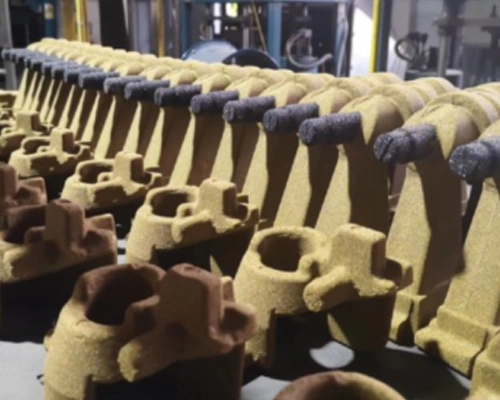
Foundry Mold Preparation for Industrial Castings
Mold preparation, tooling accuracy and production consistency are important considerations in industrial casting. The following images from Balasen's existing gallery provide a view of foundry mold preparation for pump and valve applications. The suitability of shell molding for a particular component is assessed separately according to its geometry, material and production requirements.
How Resin-Coated Sand Forms a Shell Casting Mold
Shell molding uses a reusable heated metal pattern and resin-coated sand to produce rigid, relatively thin mold sections. The sand layer that contacts the heated tooling bonds and cures to form a shell. After the shell halves are prepared and assembled, molten metal can be poured into the mold cavity.
Six Key Stages of Shell Mold Production
STEP 01
Prepare the Heated Pattern
A metal pattern is prepared and heated. Pattern condition, release treatment and temperature consistency influence shell formation and removal.
STEP 02
Apply Resin-Coated Sand
Resin-coated sand contacts the heated pattern. The binder reacts to the heat, producing a bonded sand layer that follows the pattern surface.
STEP 03
Cure and Release the Shell
Excess unbonded sand is removed. The formed shell is cured as required and released from the tooling after developing sufficient handling strength.
STEP 04
Assemble Shells and Cores
Shell sections are aligned and assembled. Cores may be inserted to form internal passages, while backing material provides support where needed.
STEP 05
Pour and Solidify
Molten metal is poured into the prepared cavity. Filling, feeding and cooling conditions are controlled according to alloy and casting geometry.
STEP 06
Remove, Clean and Inspect
After solidification, the expendable shell is removed. Gates and risers are separated before cleaning, inspection and any required machining.
Process distinction: Resin-coated sand shell molding is different from lost-wax investment casting, which uses an expendable wax pattern and ceramic shell. The two processes should be evaluated separately for tooling, part geometry and cost.
TOOLING & PRODUCTION PLANNING
When Does Shell Molding Make Economic Sense?
A shell casting quotation involves more than metal weight. Because shell molds are formed using reusable heated tooling, the initial pattern and core-box investment can influence overall part cost. For a recurring production order, these tooling costs can be distributed across a larger quantity of acceptable parts.
What Determines Shell Casting Accuracy and Surface Finish?
Shell molding can provide good mold-surface definition and dimensional repeatability for suitable components. However, the actual casting result depends on the tooling, coated sand, shell formation, mold assembly and pouring conditions. A single tolerance grade or roughness value should not be applied to every part.
Resin-Coated Sand
Sand grain characteristics, binder quality and coating consistency influence shell formation and mold-surface condition.
Pattern Temperature
Appropriate heating and exposure time support consistent curing and reduce the risk of incomplete shell formation.
Shell and Core Alignment
Shell mismatch, damaged mold sections or core movement can lead to dimensional variation and added finishing work.
Pouring and Solidification
Alloy behavior, metal flow, feeding and cooling affect filling quality, shrinkage risk and final dimensions.
How Should Buyers Specify Casting Tolerances?
Provide the approved drawing, distinguish as-cast features from machined features, and identify critical dimensions. Dimensional grades should be evaluated in relation to the part geometry and the applicable measurement standard.
Important: Previously published references such as CT7–9 and Ra 3.2–6.3 μm should not be presented as guaranteed performance for every Balasen shell casting without verified process capability and project-specific acceptance criteria.
CASTING PROCESS SELECTION
Shell Molding vs Green Sand Casting vs Investment Casting
Different casting processes are suited to different combinations of part geometry, tooling investment, order quantity and finished dimensions. For repeat-production components, shell molding may be worth comparing with traditional sand casting and lost-wax investment casting.
MATERIAL & PRODUCTION QUALITY
Materials, Mold Inspection and Finished-Part Quality
The casting alloy and the shell molding route must be evaluated together. Selected cast irons and cast steels can be considered for appropriate applications, but the exact material grade, melting requirements, casting size and inspection scope must be confirmed before production.
Quality Checkpoints Along the Production Route
Before Pouring — Shell and Core Condition
Check mold integrity, shell alignment, core positioning and assembly condition. Damaged or incomplete shells may affect casting geometry and surface quality.
After Solidification — Casting Condition
Inspect casting appearance and relevant surfaces after shell removal and cleaning. Feeding, mold damage and metal-related discontinuities may require further evaluation.
Material Verification — Grade and Properties
Confirm the specified material and any required chemical or mechanical testing. Examination and documentation depend on the applicable material standard and customer requirements.
Finished Part — Machining and Dimensions
Check critical features after any required machining. Surface finish, bores, threads, mounting faces and geometric tolerances must be assessed according to the approved drawing.
Machining note: A smoother as-cast surface does not eliminate precision machining. For critical bores, flange faces and sealing interfaces, refer to Balasen's Custom Machining services and machining allowance guide.
SHELL CASTING PROCUREMENT
What to Include in a Shell Casting RFQ
For shell mold casting, a reliable quotation requires more than material and weight. Drawing geometry, internal cores, expected production volume, tooling requirements and finished-part tolerances all influence process feasibility and production cost.
Shell Casting Frequently Asked Questions
Is shell molding suitable for small production quantities?
It may be technically suitable, but reusable metal tooling creates an initial investment. For small quantities or frequent design changes, another sand casting process may offer a more economical route.
What is the difference between shell molding and investment casting?
Shell molding uses resin-coated sand formed against heated metal tooling. Investment casting generally uses a disposable wax pattern surrounded by a ceramic shell. The tooling, mold material and manufacturing sequence are different.
Can shell casting produce components with internal passages?
Internal passages may be formed using cores. Core position, wall thickness, support, mold assembly and cleaning access must be evaluated against the part drawing.
Can Balasen guarantee CT7–9 tolerances for shell castings?
Tolerance capability must be reviewed for each component. Casting geometry, tooling, material, size and inspection requirements affect the achievable results. A specific tolerance grade can only be confirmed after technical evaluation.
Does shell molding eliminate machining?
No. Shell molding may improve as-cast surface quality and dimensional repeatability, but precision bores, threads, mounting faces and sealing surfaces can still require machining.
What materials can be evaluated for shell casting?
Selected cast irons and cast steels may be considered depending on the process equipment, casting dimensions, material availability and technical requirements. Buyers should provide the exact grade and relevant standard for confirmation.
How does shell casting tooling affect unit cost?
Tooling investment can be significant because the process uses heated metal patterns and potentially separate core boxes. Recurring production quantities can distribute these costs over a larger number of parts.
What information should I send for a shell casting quotation?
Send the part drawing, material specification, casting weight, dimensions, expected production quantity, core requirements, machining details and inspection criteria. These details support tooling and manufacturing feasibility review.
For more information about metal casting principles and techniques pdf and cnc milling, please feel free to contact us!
 Pump and Valve Casting
Balasen supplies custom pump and valve casting china manufactured in China for industrial flow-control equipment. Available material families include carbon steel, low-alloy steel, stainless steel, duplex stainless steel and selected nickel alloys, subject to drawing and material review.
Casting process, material grade, heat treatment, machining and inspection requirements are evaluated according to component geometry, service medium, operating temperature, design conditions and the customer’s acceptance criteria. Customers can submit drawings, material specifications, quantities and inspection requirements for a technical review.
The Role of Precision Pump and Valve Casting in Industrial Applications
Precision pump and valve castings serve as the cornerstones of diverse industrial applications, delivering unmatched reliability in fluid management.
In the energy sector, they regulate oil and gas flows for safe, efficient extraction. In chemical plants, custom stainless steel casting options excel at controlling highly corrosive fluids, with accurate dimensions and robust construction minimizing leakage risks. By enduring extreme pressures and temperatures, these valve castings enhance equipment durability—especially when sourced through trusted carbon steel casting china providers like ours. As one of the leading cast iron ball valve manufacturers, we deliver premium quality components. Ultimately, they streamline production, cut downtime, and slash maintenance costs across sectors from manufacturing to water treatment.
How Advanced Pump and Valve Casting Improves Fluid Control Efficiency
Advanced pump and cast iron rotary valve techniques dramatically boost fluid control efficiency across critical systems. Precision casting delivers components with exact fits, slashing friction and pressure drops in fluid transfer. Specialized materials, like corrosion-resistant alloys from a reliable custom metal casting company, sustain long-term integrity and prevent leaks. Innovative designs, such as self-adjusting valves, dynamically respond to varying flow rates. Together, these advancements curb energy loss, heighten system reliability, and trim maintenance needs—driving peak productivity in oil, gas, and water treatment operations. As a professional valve casting factory, we are committed to delivering superior quality solutions for global valve casting suppliers and industrial customers.
How Advanced Pump and Valve Casting Improves Fluid Control Efficiency
Types of Pump and Valve Castings
Balasen manufactures custom cast iron gas pump and valve castings according to customer drawings rather than supplying one fixed catalogue of standard parts. Component feasibility is evaluated according to material grade, pressure-boundary requirements, internal geometry, section thickness, machining allowances and inspection criteria.
Pump shells are supported by an existing Balasen project record. Other cast iron angle valve and valve component types listed below are available for drawing review and should only be presented as completed production examples after the corresponding project records and photographs have been verified.
Documented Pump Casting Example
Ductile Iron Pump Shell
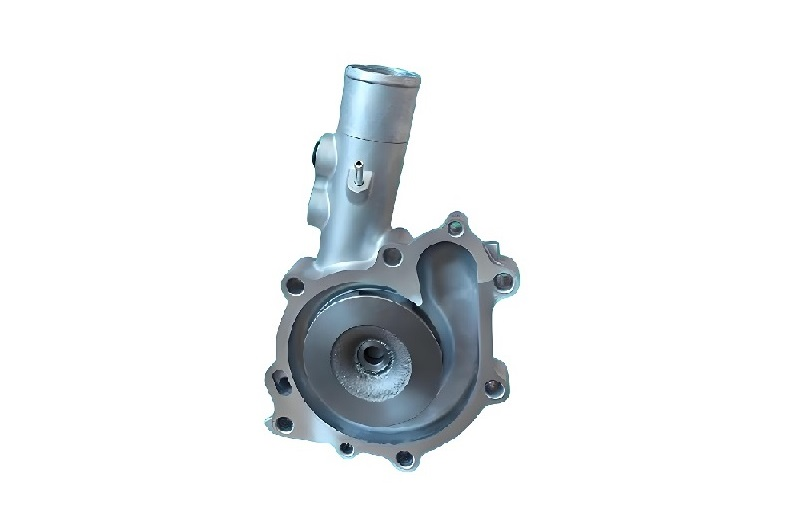
Balasen has published a ductile iron pump shell project for the pump industry. The project record describes pouring-system design, mold preparation, the use of chills during solidification and subsequent finishing and inspection operations.
ump and Valve Components Available for Drawing Review
In addition to the documented pump shell project, Balasen can evaluate the following custom component categories. Material, casting process, machining route and inspection requirements are confirmed separately for each drawing.
Pump and Valve Casting Materials and Standards
Material selection for pump and cast iron flanged ball valve castings depends on the service medium, operating temperature, design conditions, corrosion requirements, required mechanical properties and applicable equipment specification. Balasen evaluates the material grade together with the casting process, heat treatment, machining and inspection requirements before production.
The standards and grades below represent material options that may be reviewed for custom pump and valve casting projects. Final availability, current standard revision, heat treatment, mechanical properties and supplementary requirements must be confirmed for each order.
achining and Dimensional Control
Pump and valve castings frequently require machining of flange faces, sealing interfaces, stem bores, bearing locations, mounting surfaces, bolt holes and other assembly-critical features. Balasen evaluates the machining route according to the approved drawing, material hardness, casting condition, machining allowance and specified tolerances.
Published machining capabilities include turning, milling, drilling, tapping and boring. Balasen’s published processed-part range covers weights from 0.5 to 5,000 kg and processing dimensions from 3 to 1,600 mm. Final machinability must be confirmed from the component geometry and required machining position.
Quality Control for Pump and Valve Castings
Quality requirements for pump and valve castings are established before production according to the approved drawing, material standard, purchase specification and agreed inspection plan. The required controls vary depending on whether the component forms part of a pressure boundary, sealing system, rotating assembly or structural support.
Material compliance cannot be determined from chemical composition alone. Heat treatment, mechanical properties, dimensional results, surface condition and any specified nondestructive examination must be evaluated against the agreed acceptance criteria.
We can also provide kinds of campbell cast iron pitcher pump for sale, if you are interested, please contact us.
For more information about metal foundry casting and sand casting, please feel free to contact us!
 Railway Casting
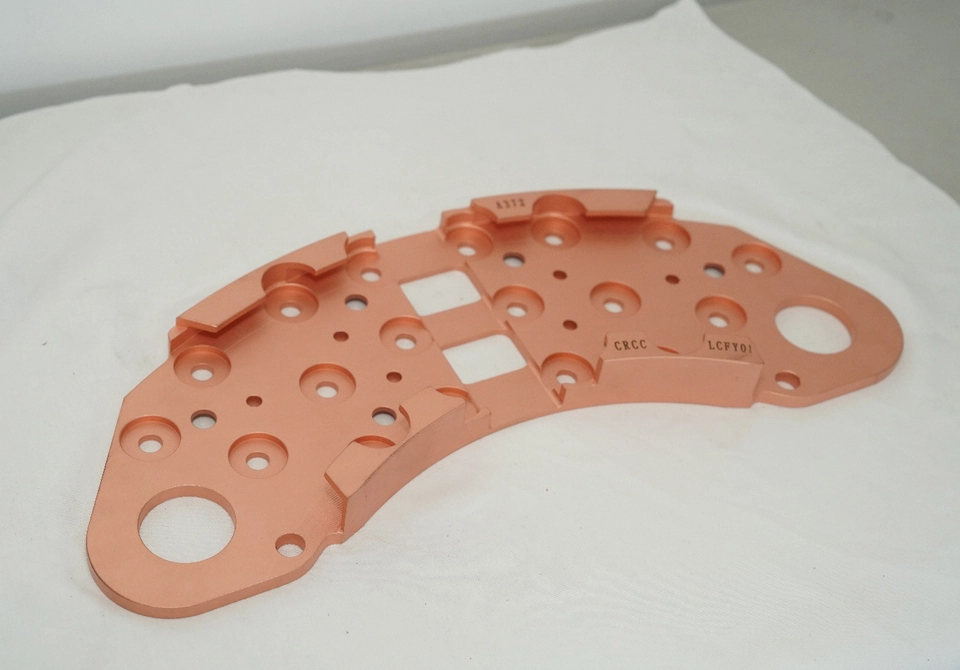
Balasen can undertake various components for the rail transit industry, including but not limited to vehicle walking parts (such as wheels, side frames, rocking pillows, bearing seats, etc.), braking systems (such as brake discs, casings, valves, etc.), and track components (such as sleepers, track plates, etc.), providing reliable railway casting components for different rail applications.
The Requirements for Castings in the Railway Industry
High Strength and Toughness:
Castings need to bear various loads during the operation of the vehicle. For example, the castings of the car body need to support the weight of the vehicle body and the load of passengers, and the castings of the bogie need to withstand the impact force generated during the vehicle's driving. Therefore, they need to have high strength and toughness to ensure safety and reliability.
High Dimensional Accuracy:
The railway casting components in rail transit fit closely with each other. For example, the dimensional accuracy of the castings in the braking system directly affects the braking effect. So, the castings need to have high dimensional accuracy to ensure precise assembly with other components and the normal operation of the system.
Good Wear Resistance:
Castings such as wheels and brake discs will rub against other components frequently during operation. Only with good wear resistance can the wear be reduced, the service life be extended, and the driving safety be ensured.
Excellent Corrosion Resistance:
The vehicle may face corrosive environments such as humidity, acids, and alkalis. If the castings such as the vehicle body shell and the bogie have poor corrosion resistance, they are likely to be corroded, reducing their performance and service life. Therefore, they should have excellent corrosion resistance.
Key Materials Used in High-Performance Railway Casting Components
High-strength Cast Steel:
It has high yield strength, tensile strength and good toughness, and can withstand the huge loads and impact forces during the operation of the train, making it suitable for demanding rail casting applications. It is commonly used in manufacturing key components for rail casting applications, such as couplers and bogie frames.
Alloy Cast Iron:
By adding alloying elements such as chromium, molybdenum, and nickel, the strength, wear resistance and heat resistance of ordinary cast iron are improved. It can be used to manufacture components such as brake discs and wheels.
Aluminum Alloys:
Such as 6061, 7075 and other aluminum alloys, which have high specific strength and good corrosion resistance, and can effectively reduce the weight of the vehicle. They are often used in manufacturing car body structural components, pantograph components, etc.
Titanium Alloys:
They have excellent specific strength, corrosion resistance and high-temperature resistance, and can be used to manufacture some key components with strict weight requirements and complex working environments, such as certain key connection components of high-speed trains for specialized rail casting projects. However, due to the high cost, their application is relatively limited.
For more information about what is metal casting process and mining casting, please feel free to contact us!